candidates-using-ai

Using AI to Apply for Jobs Is Flooding Employers: Here’s How to Stand Out

By Published On: April 8, 2026

Introduction: The New Reality of AI-Driven Job Applications

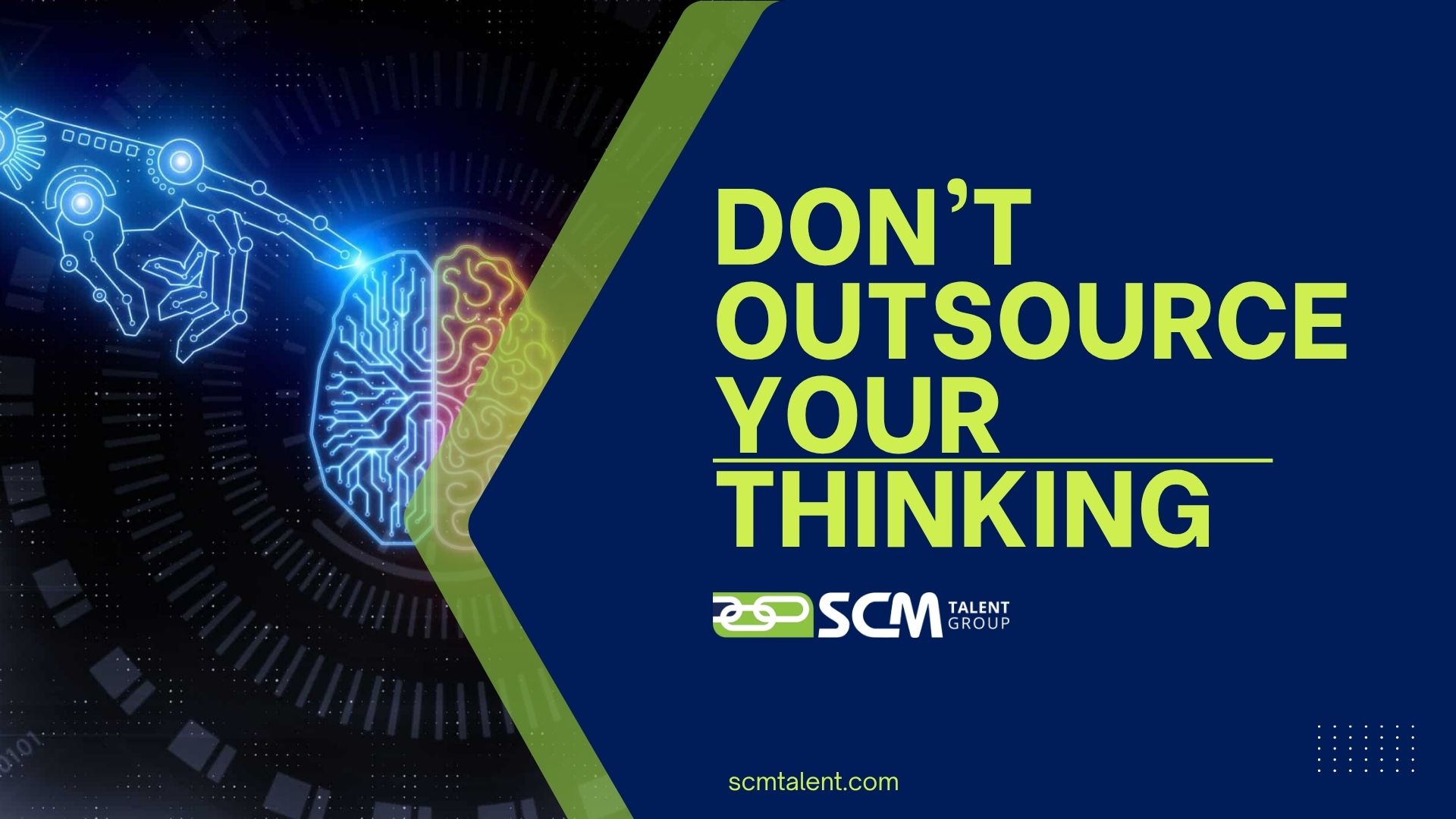
The hiring landscape has fundamentally shifted. What was once a manageable flow of applicants has turned into a high-volume, AI-powered surge that is overwhelming internal recruiting teams and hiring managers.

Today, candidates are increasingly using AI to apply for jobs, allowing them to submit dozens or even hundreds of applications in a fraction of the time it once took. AI tools can tailor resumes to job descriptions with near-perfect keyword alignment. While this creates efficiency for job seekers, it has introduced a new challenge for employers.

For employers, this means inboxes flooded with “qualified” candidates. For job seekers, it means more competition and less visibility. For mid-career professionals in supply chain, it means the old playbook no longer works.

Understanding this shift is critical, whether you are hiring talent or trying to stand out in a crowded market.

Why Hiring Teams Are Overwhelmed

From a talent management perspective, this is not about recruiters ignoring candidates. It is about capacity constraints.

Most organizations are operating lean. Talent acquisition teams are being asked to do more with fewer resources. In many cases, human resources leaders are balancing recruiting with compliance, employee relations, and broader business priorities.

At the same time, application volume has exploded due to candidates using AI to apply for jobs at scale.

Historically, recruiters relied on filtering tools such as keyword searches and pre-qualification questions to narrow down applicant pools. Today, those tools are far less effective. AI allows candidates to optimize their resumes against job descriptions, making many applicants appear equally qualified on paper.

The result is a growing challenge for employers:

  • Limited time to review each application
  • Reduced effectiveness of traditional screening tools
  • Increased difficulty identifying top talent

This is why many companies are leaning more heavily on referrals and trusted recruiting partners to surface qualified candidates efficiently.

The Biggest Misconception About Recruiters

One of the most persistent misunderstandings in the job market is the role of third-party recruiters.

Many professionals believe recruiters are responsible for finding them jobs. In reality, recruiters are hired by employers to fill specific roles.

This distinction is important, especially in a market where candidates are using AI to apply for jobs and expecting increased visibility.

For mid-career professionals, this means:

  • Recruiters prioritize candidates aligned to active searches;
  • Outreach must be relevant and targeted;
  • Generic requests for job placement are unlikely to gain traction.

From a corporate standpoint, this reinforces the value of specialized recruiting firms. When internal teams are overwhelmed, external partners help identify and deliver candidates who truly fit the role beyond keyword alignment.

For candidates, the takeaway is clear. You must position yourself as a solution to a specific business need.

The Decline of “Apply and Wait”

The traditional approach to job searching is becoming less effective.

Mass applying through job boards (LinkedIn, Indeed, Zip Recruiter), even when using AI to apply for jobs, often leads to minimal engagement. While applications may pass automated filters, they rarely stand out to human reviewers.

This approach, often referred to as “posting and praying,” contributes to the very problem candidates are trying to solve.

From the employer side, this behavior increases noise. From the candidate side, it reduces the likelihood of meaningful response.

Job boards still serve an important purpose, but their role has evolved. They are best used as reference points for job seekers. You can gain a lot of market intelligence from them that you can use to find companies who are actively hiring for positions. They also give indicators for which roles are in higher demand than others. Perhaps you can adjust your targets based on available roles and realize that you are qualified to work more than the one you initially thought.

Simply applying is no longer enough. Visibility now comes from proactive engagement.

Networking Is the Competitive Advantage

Referrals have consistently been the top source of hires across industries. That has not changed. What has changed is the level of importance placed on networking in a crowded, AI-driven job market. For executives, networking is essential because many roles are never posted publicly. For mid-career professionals, networking accelerates access to opportunities that may otherwise be buried under hundreds of applications.

A structured networking strategy should include a multi-pronged approach. After you’ve identified target companies that align with your experience, try connecting with peers who may have referral influence with hiring managers and functional leaders. Your network is bigger than you think. Focus on these conversations rather than just immediate job requests.

It is important to be selective. Reaching out to peers or professionals one step ahead in your career path often leads to stronger engagement than only targeting senior leadership.

In a world where many candidates are relying on automation, genuine human connection becomes a differentiator.

Treat Your Job Search Like a Sales Process

One of the most effective ways to stand out is to approach your job search with a sales mindset. This is particularly relevant for supply chain professionals who are already accustomed to performance metrics, processes, and accountability.

Key components of this approach include:

  • Building a target list of companies;
  • Creating a pipeline of outreach efforts;
  • Engaging across multiple touchpoints;
  • Tracking responses and refining your strategy.

Persistence plays a critical role. Hiring teams are busy. Messages are missed. Follow-ups are necessary to ensure visibility. This does not mean being overly aggressive. It means being consistent, thoughtful, and professional in your outreach. A well-executed follow-up strategy can be the difference between being overlooked and being considered.

Conclusion: Standing Out in an AI-Driven Job Market

The hiring market is evolving rapidly.

Candidates are increasingly using AI to apply for jobs, which has made the process faster but also more competitive. Employers are not disengaged. They are overwhelmed by volume and limited by time.

This shift creates both challenges and opportunities.

For employers, it reinforces the importance of refining hiring strategies and leveraging trusted talent partners. For professionals, it highlights the need to move beyond passive applications and toward proactive engagement.

Networking, targeted outreach, and disciplined follow-up are now essential components of a successful job search.

The candidates who succeed are not the ones who apply the most. They are the ones who connect, communicate, and follow through effectively.

In a market defined by automation, human connection remains the most powerful way to stand out.

Need help hiring Supply Chain Leaders?

Connect with our recruiting team here at SCM Talent Group to elevate your team’s potential and secure the supply chain leadership talent your organization needs for future success!

supply-chain-recruiting-agency